Cost Comparison
Paint remains the more budget-friendly option for most projects, with quality paint typically running in the low-to-medium cost range depending on brand and finish, plus the cost of basic supplies like rollers, brushes, and painter's tape. A standard bedroom or living room can often be painted for a modest total cost if you're doing the labor yourself.
Wallpaper costs more upfront, both for the material itself and often for professional installation, since achieving clean seams and pattern matching typically requires more skill than most DIYers have developed. Peel-and-stick wallpaper has narrowed this gap somewhat by making DIY installation more accessible, though it generally costs more per square foot than paint even before factoring in labor.
Durability and Maintenance
Paint holds up well in most rooms but can show scuffs, scratches, and marks more visibly over time, particularly in high-traffic areas like hallways or homes with children or pets. Touch-ups are relatively simple and inexpensive, though achieving a perfectly seamless match with older paint that's faded slightly can be tricky.
Wallpaper, particularly higher-quality vinyl or textured options, tends to hide minor wear better than paint and can last many years without needing replacement if properly installed and maintained. However, damage to wallpaper, like a tear or water stain, is generally harder and more expensive to repair invisibly compared to a simple paint touch-up.
Design Impact and Versatility
Paint offers essentially unlimited color options and can be changed relatively easily if your taste evolves or you're preparing a home for sale, since neutral paint colors remain the safer, more universally appealing choice for resale purposes. Wallpaper has made a significant design comeback, offering texture, pattern, and visual depth that flat paint simply can't replicate, particularly in accent applications like a single feature wall rather than an entire room.
This trend has continued growing, with more homeowners embracing bold, pattern-forward wallpaper choices in smaller spaces like powder rooms, entryways, or accent walls, while keeping larger, more permanent living spaces in paint for easier future updates.
Installation Effort and Removal
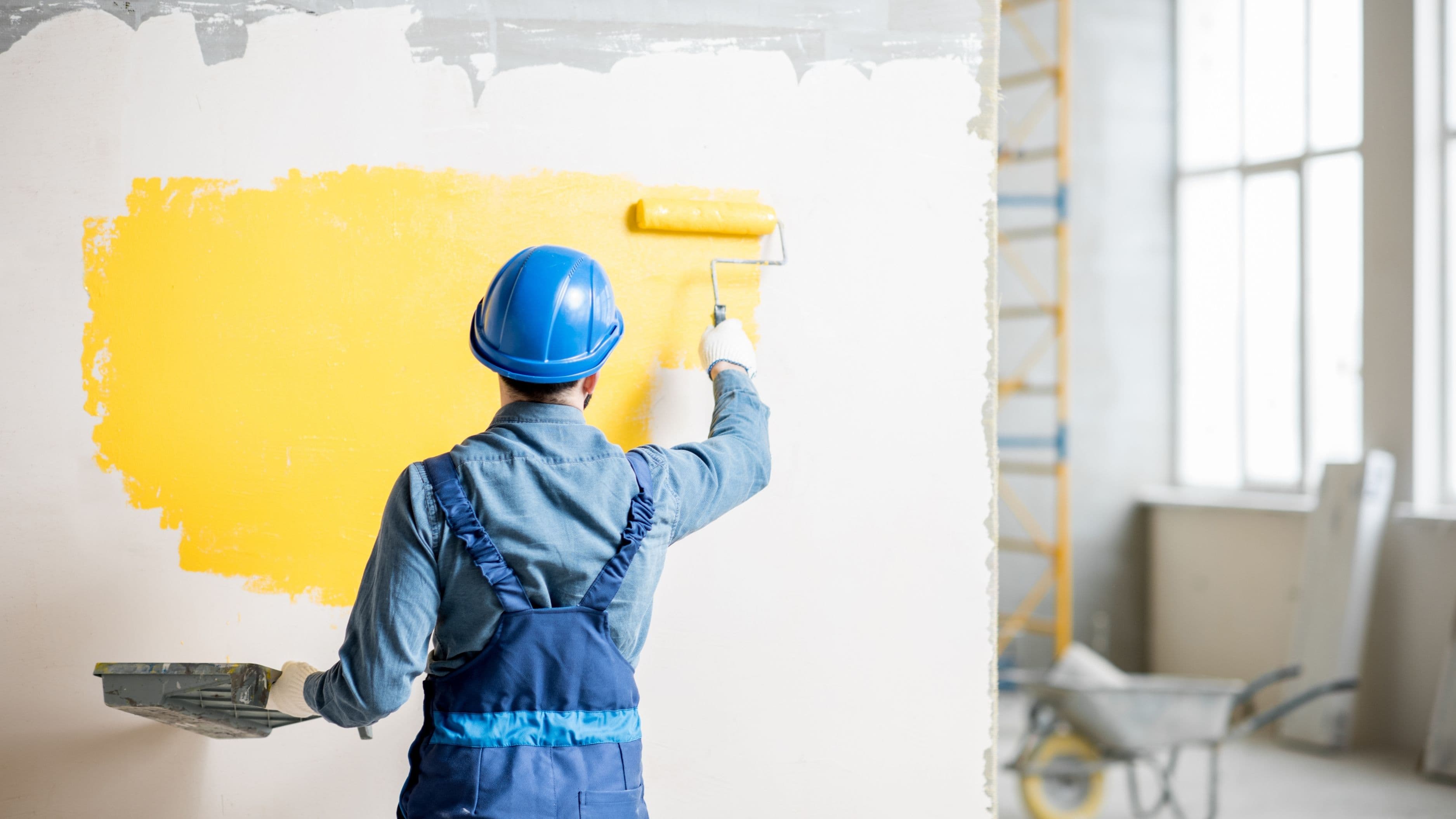
Painting a room is a genuinely achievable weekend DIY project for most homeowners with basic tools and patience, requiring primarily preparation work like taping, patching minor wall imperfections, and applying multiple coats. Wallpaper installation, particularly traditional pasted wallpaper, generally requires more precision and experience to avoid visible seams, bubbling, or pattern misalignment, making professional installation the more common choice for anything beyond a small accent wall.
Removal is another meaningful consideration. Removing old wallpaper, especially older or improperly installed wallpaper, can be a genuinely difficult and time-consuming process that sometimes damages the underlying wall surface, while repainting over an existing paint color is comparatively straightforward.
Best Use Cases for Each
Paint remains the more practical choice for larger rooms, rental properties, or spaces you expect to update frequently, given its lower cost and easier future flexibility. It's also generally the safer choice if you're planning to sell your home within the next few years, since neutral, freshly painted walls tend to appeal to a broader range of buyers than bold wallpaper patterns.
Wallpaper tends to shine in smaller accent applications, like a powder room, a single feature wall in a bedroom or dining room, or a hallway where you want more visual interest without committing an entire home's worth of surface area to a bold pattern. It's also a strong choice if you're specifically drawn to texture or pattern effects that flat paint genuinely can't achieve.
What to Avoid
Avoid choosing wallpaper for high-moisture areas like bathrooms without specifically selecting a moisture-resistant, vinyl-coated product designed for that environment, since standard wallpaper can peel or develop mold issues in consistently humid conditions. On the paint side, avoid skipping proper wall preparation and primer, since this is the most common reason DIY paint jobs end up looking uneven or requiring more coats than expected.
If you're considering peel-and-stick wallpaper as a lower-commitment option, test a small section in an inconspicuous area first, since adhesion quality can vary significantly depending on your wall's texture and existing paint finish.
The Bottom Line
Neither option is universally better, and the right choice depends on the specific room, your budget, and how often you expect to update the space going forward. Paint remains the safer, more flexible default for most of your home, while wallpaper is worth the added cost and effort in smaller, high-impact spaces where you want genuine texture and pattern that paint alone can't deliver.
FAQ
Is peel-and-stick wallpaper a good alternative to traditional wallpaper? It's a solid option for lower-commitment accent walls or rental properties, though it generally doesn't last as long or look quite as seamless as professionally installed traditional wallpaper.
Which option adds more resale value, wallpaper or paint? Neutral, well-applied paint tends to be the safer choice for resale value, since it appeals to a broader range of buyer tastes than bold wallpaper patterns.
Can I put wallpaper over existing wallpaper? This generally isn't recommended, since it can lead to bubbling, uneven texture, and adhesion problems, making proper removal of the old layer the more reliable approach.
📚 Sources
Interior Wall Finishing Guide, thisoldhouse.com
Choosing Paint Finishes for Different Rooms, benjaminmoore.com
Wallpaper Installation and Maintenance Tips, houzz.com
🔍 Explore Related Topics