
This isn't complicated once you understand what you're actually choosing between and why it matters room by room.
What Color Temperature Actually Means
Color temperature describes how warm or cool the light from a bulb appears. It's measured in Kelvins (K) – the lower the number, the warmer and more amber the light; the higher the number, the cooler and bluer it becomes.
The practical range for residential lighting runs from about 2700K at the warm end to 5000K or above at the cool end. Here's what each range actually looks like:
2700K – 3000K: Warm white to soft white. This is the light most people associate with traditional incandescent bulbs – golden, slightly amber, relaxed. It's the closest to candlelight available in a standard LED.
3000K – 3500K: Warm white to neutral white. A slightly crisper version of warm light, still comfortable but with better color clarity. Often used in kitchens and bathrooms where you want both warmth and visibility.
4000K – 4500K: Neutral to cool white. Clean, balanced light without strong color tint. Common in offices and commercial spaces; increasingly used in modern kitchens.
5000K and above: Daylight. Blueish, bright, high-contrast. Matches the color temperature of midday daylight. Useful for tasks requiring precise color accuracy and detail, but difficult to live with in casual spaces.
The Kelvin rating is printed on every bulb box and is increasingly marked on dimmer switches and smart bulb apps. It's the number you should be choosing from deliberately, not leaving to chance.
How Light Tone Affects How a Room Feels
Color temperature does something psychologically real, not just visually different. Warm light slows the perceived pace of a room – it reads as cozy, intimate, and settled. Cool light does the opposite. It reads as alert, clinical, and energized. Neither is inherently better; they're suited to different purposes.
Warm light is flattering to skin tones, which is why restaurants, hotels, and high-end hospitality environments almost universally use it. It softens facial features and makes people look healthier and more comfortable. It also tends to make colors on walls and furnishings appear richer and more saturated in the amber spectrum, while making blues and greens appear slightly muted.
Cool light sharpens contrast and enhances clarity. It's easier to read under, easier to see fine detail under, and is closer to natural daylight in a way that helps with tasks requiring color accuracy – like applying makeup, evaluating paint colors, or working on anything where you need to see what you're actually looking at rather than a flatteringly lit version of it.
The difference between a living room lit at 2700K and the same room lit at 4000K can feel significant even if the furniture, walls, and everything else stays identical. The 2700K room feels like evening. The 4000K room feels like a doctor's office waiting area. Both have their place. Neither is the right answer everywhere.
The Right Temperature for Each Room
Living Room and Family Room
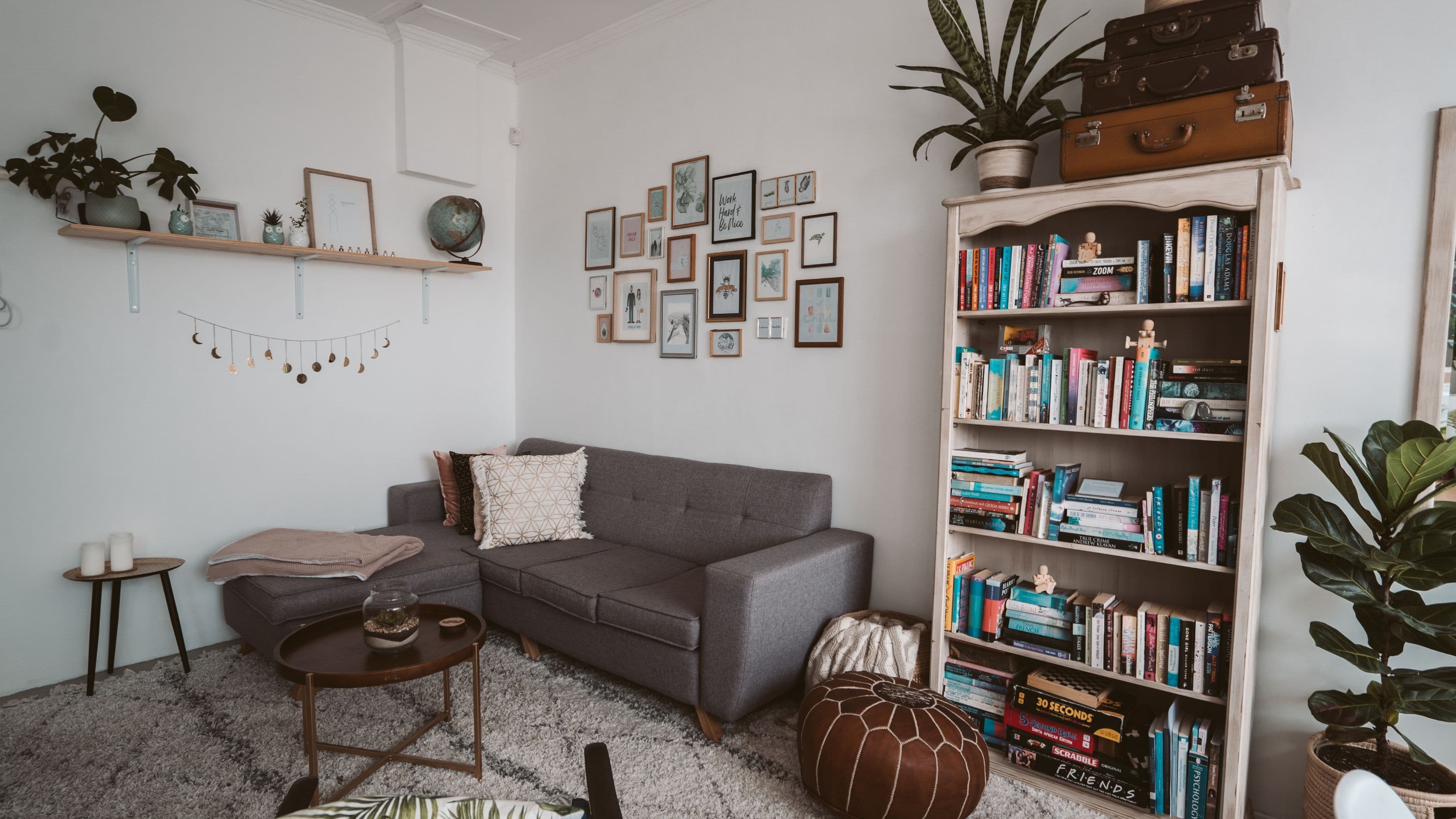
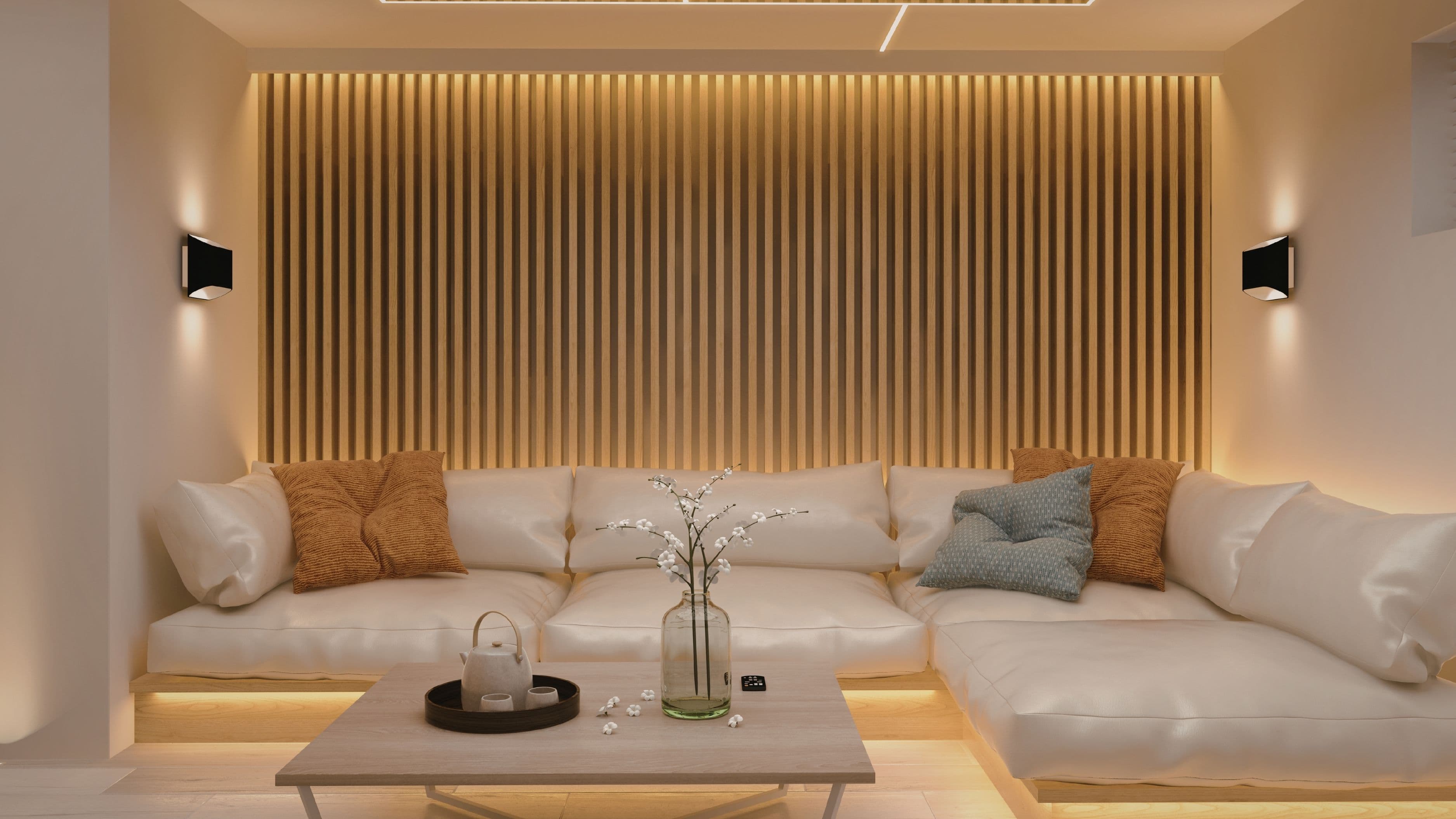
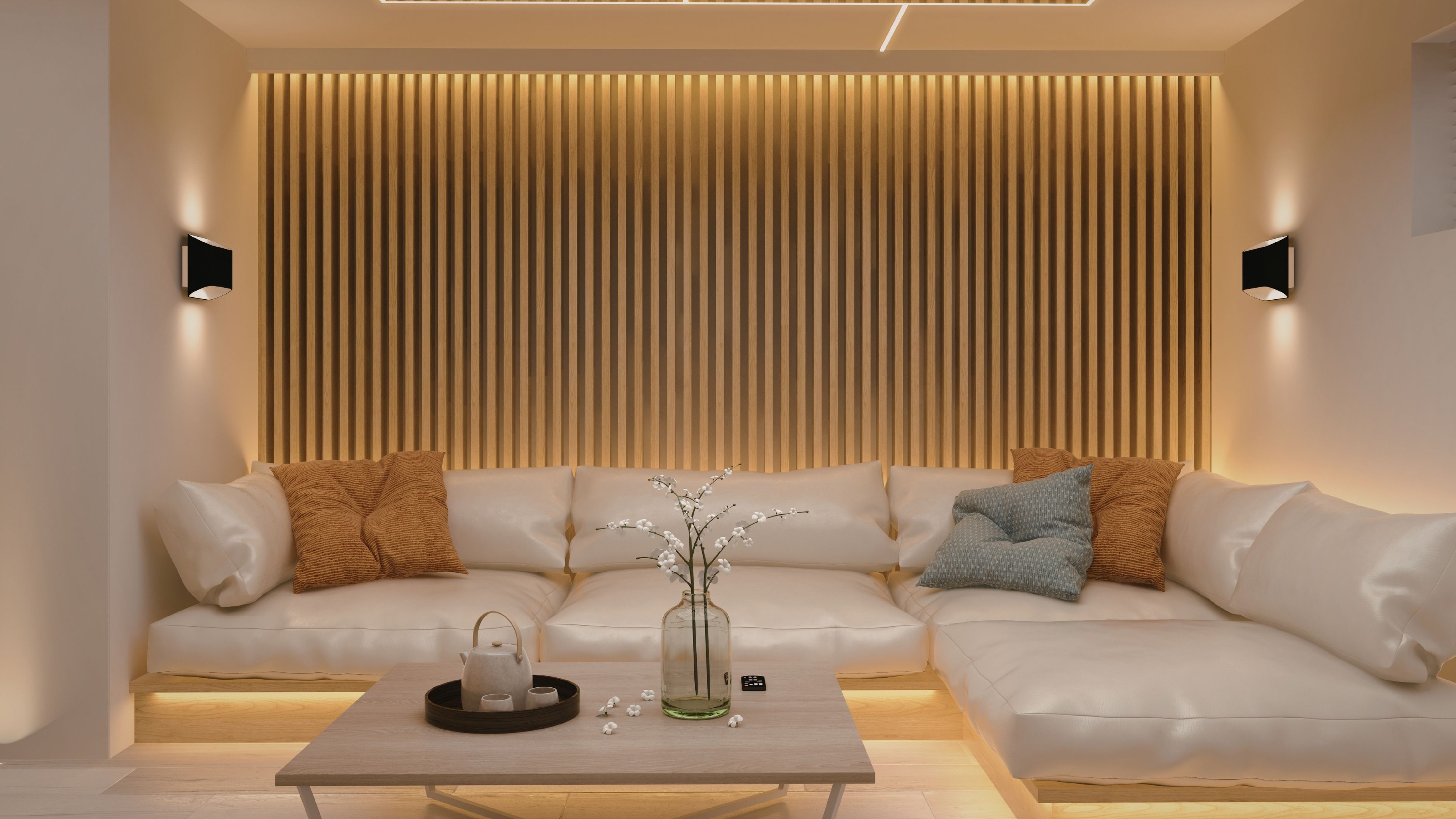
Warm light (2700K – 3000K) is almost always the right choice here. These are rooms built for relaxation, conversation, and comfort – not precision tasks. Warm light supports that use by making the space feel settled and inviting rather than bright and functional. If your living room doubles as a workspace, consider a layered approach: ambient warm lighting supplemented by a task lamp with a slightly cooler bulb (3000K – 3500K) at the desk or reading chair.
Avoid anything above 3500K as your main ambient source in a living room. It will make the space feel hospital-bright regardless of how warm your decor is.
Bedroom
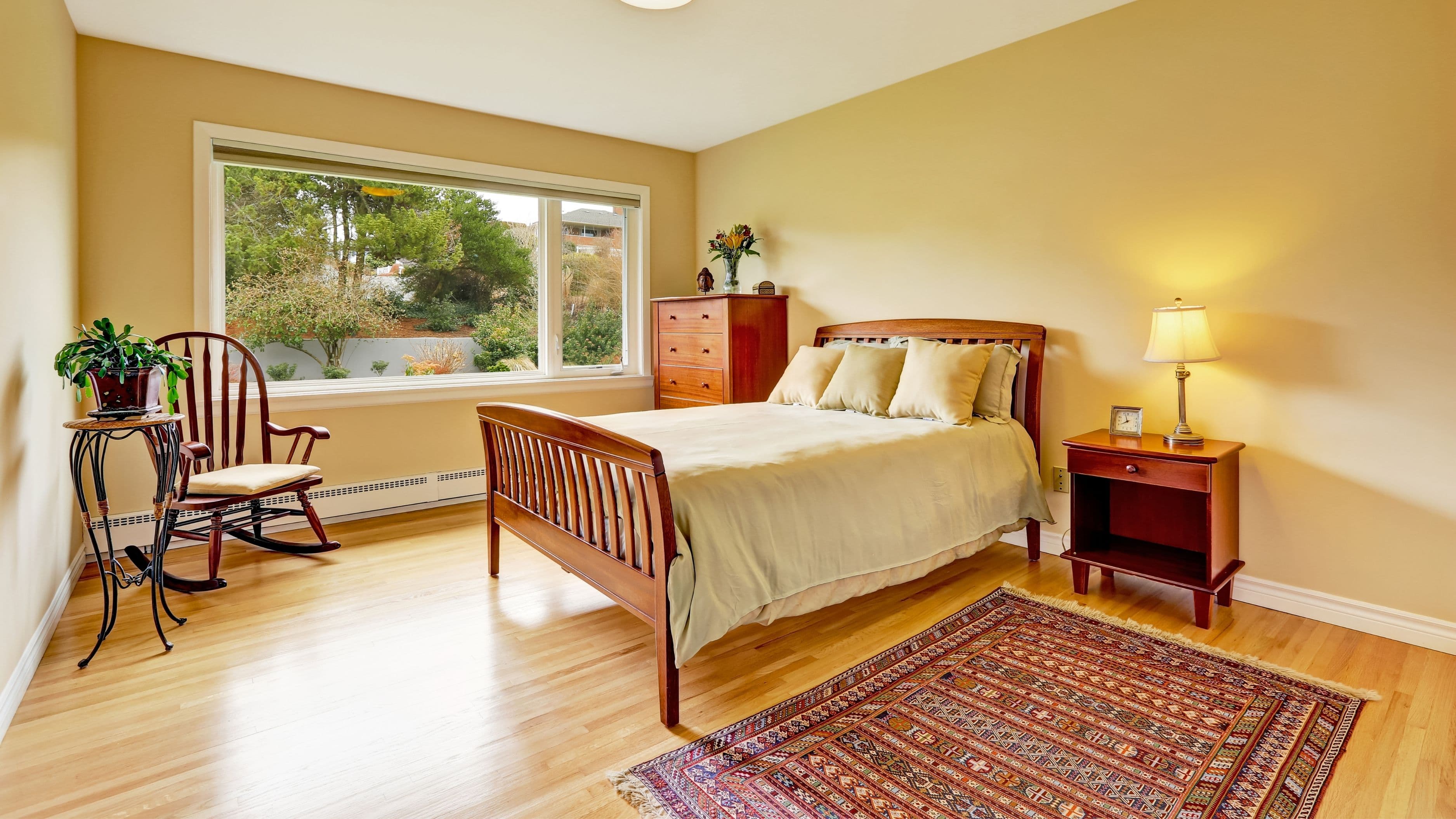
Warm light (2700K – 3000K) is non-negotiable in bedrooms for most people. Light temperature directly influences melatonin production – cool blue-spectrum light suppresses it, which is one of the reasons screens before bed disrupt sleep. A bedroom lit at 4000K or above actively works against the physiological process of winding down. Warm, dimmable lights give you the flexibility to keep the room bright enough to get ready in and dim enough to feel genuinely restful before sleep.
If you use your bedroom as a reading space, a 3000K reading lamp gives better visual clarity than 2700K without pushing into the alert-triggering territory of cool white.
Kitchen
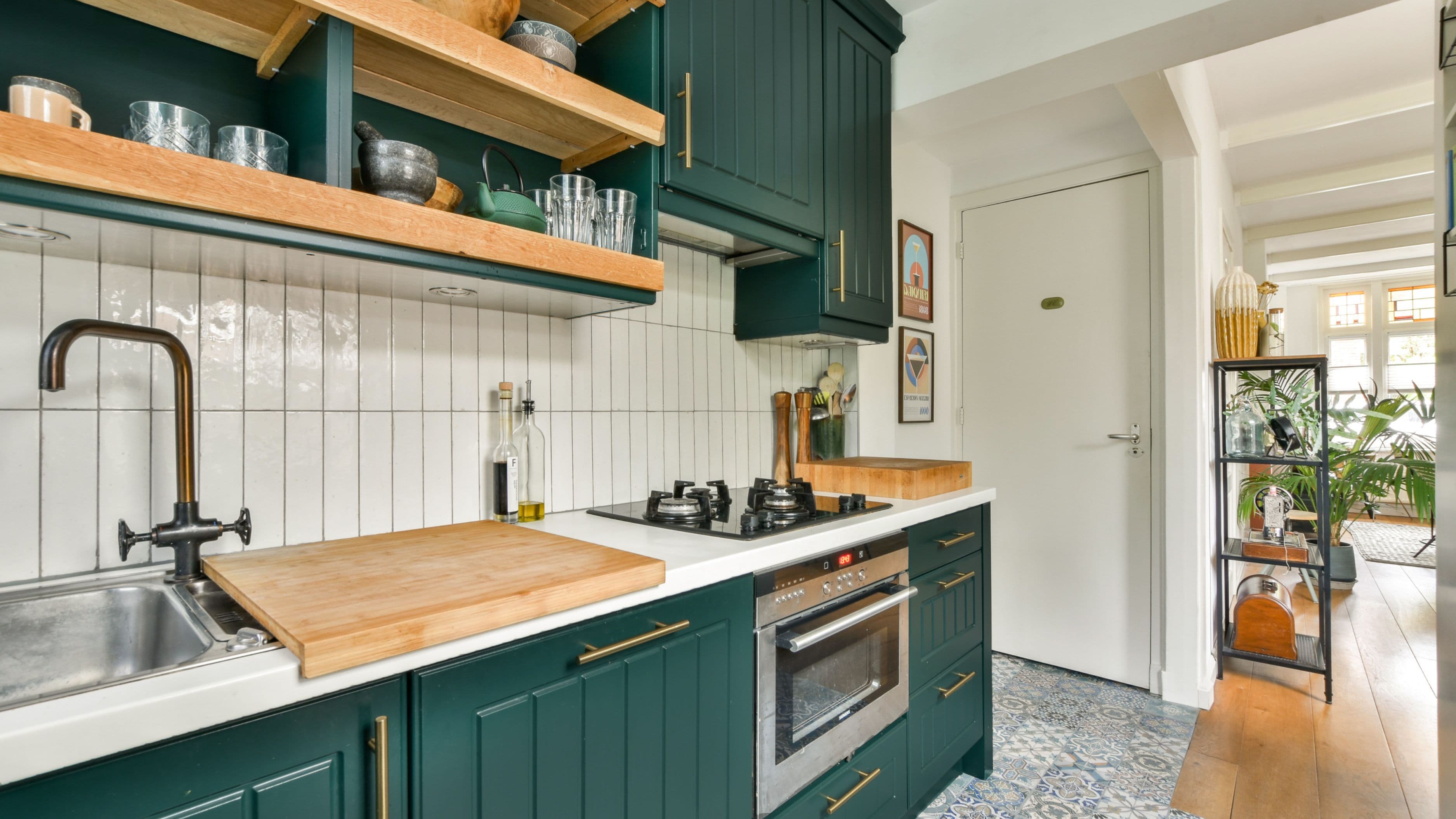
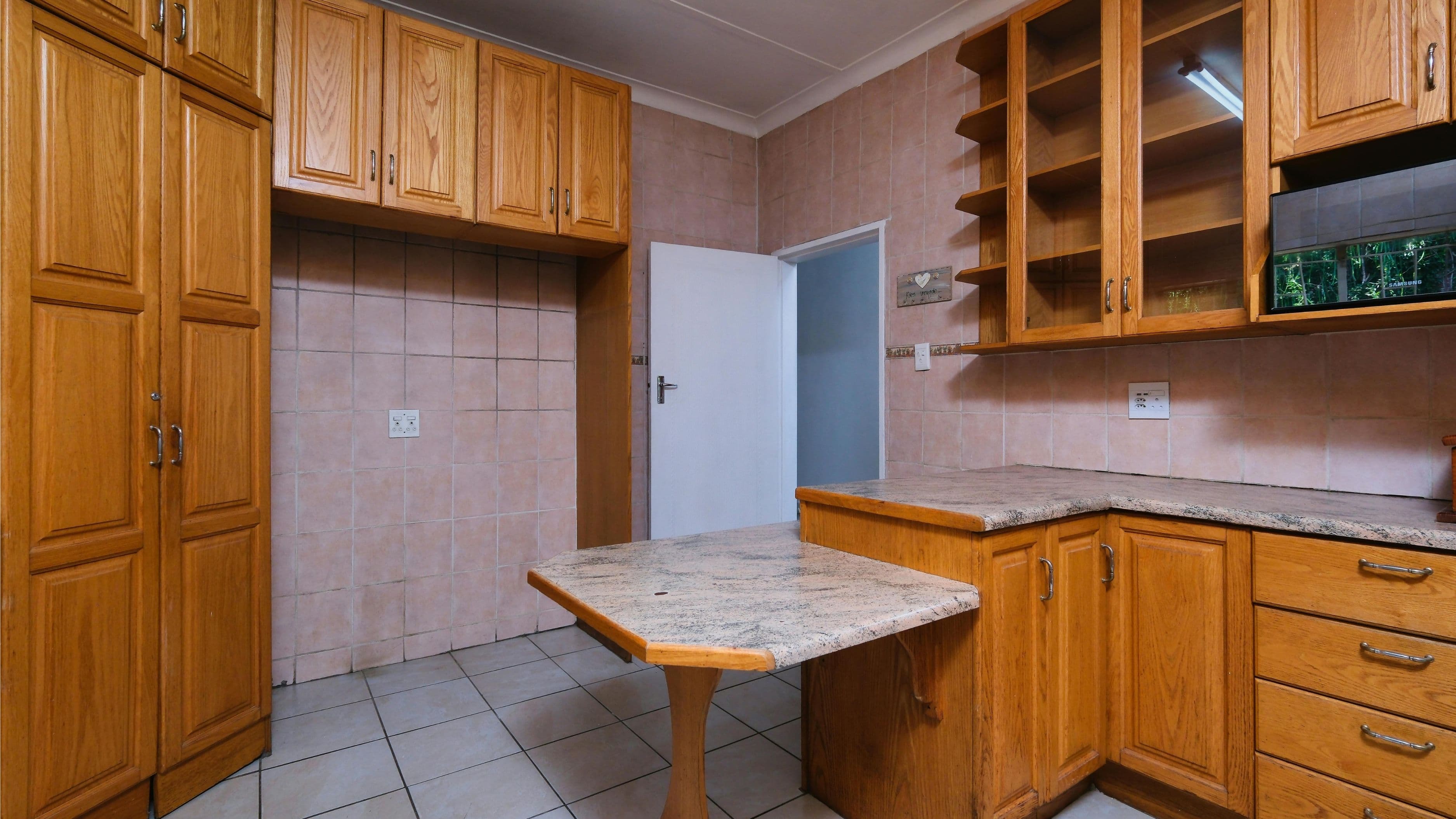
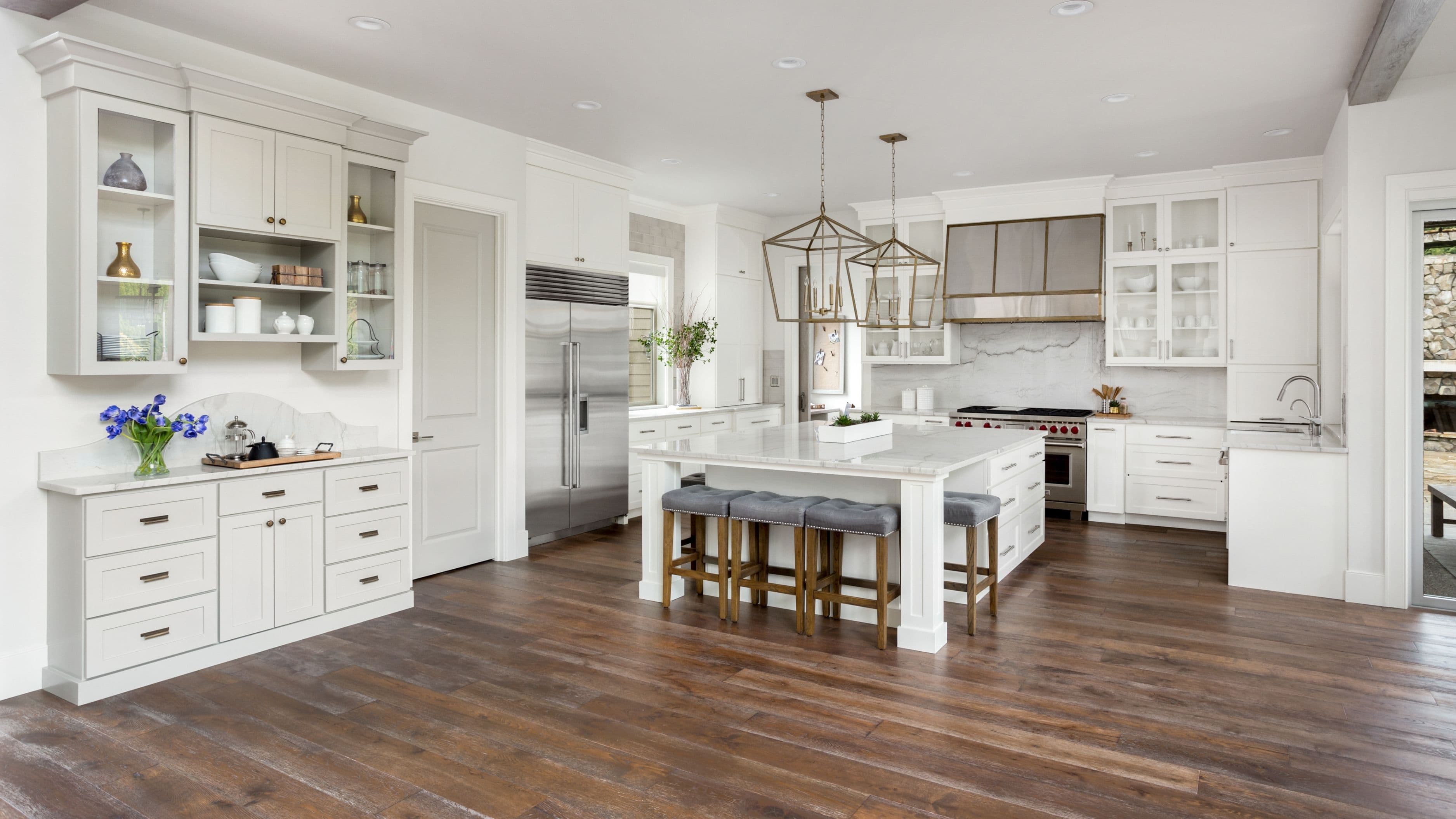
The kitchen is where the single-temperature approach breaks down most visibly. Kitchens do two very different things: they're functional workspaces (chopping, reading recipes, assessing whether meat is cooked) and social gathering spaces (casual meals, morning coffee, family time). Those two functions benefit from different light.
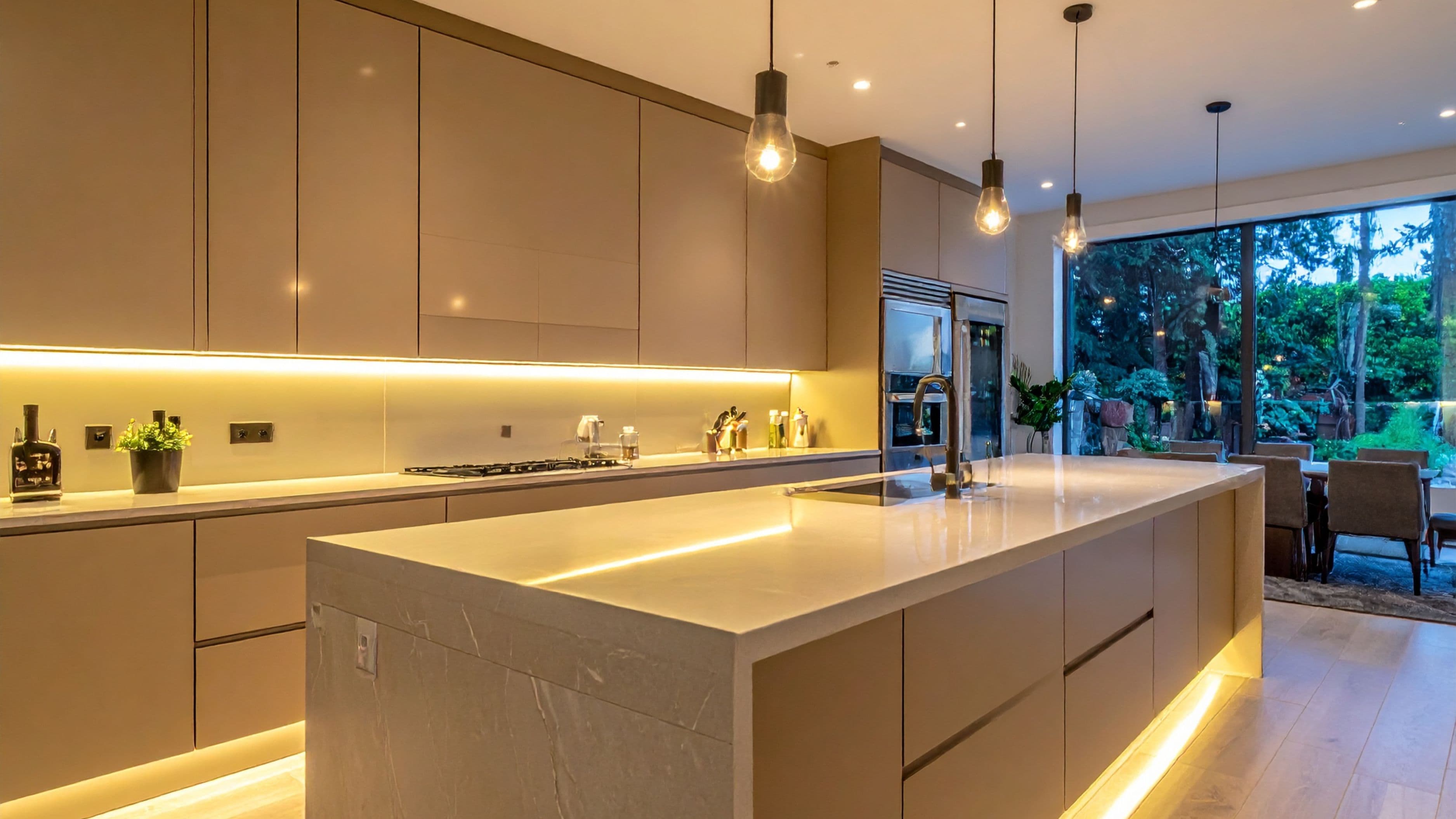
A practical approach is to layer the kitchen. Warm ambient light (2700K – 3000K) for the main overhead fixtures or pendant lighting over an island sets a comfortable baseline. Neutral to cool under-cabinet task lighting (3000K – 4000K) over the countertop gives you genuine functional clarity where you need it without making the whole room feel clinical. This combination is increasingly easy to achieve with LED strip lights under cabinets and separately switched overhead fixtures.
Kitchens with all-cool lighting often feel cold and institutional. Kitchens with all-warm lighting can feel too dim for cooking tasks. The layer approach solves both problems.
Bathroom
The bathroom is the room where lighting tone has the most direct practical impact, because it's where most people look at themselves in a mirror. The wrong temperature here produces a specific and familiar problem: the bathroom mirror that makes everything look washed out, greenish, or oddly shadowed.
For a bathroom mirror, the target is 2700K – 3000K at face level, ideally from a light source that wraps around rather than sits directly above. Overhead-only lighting creates shadows under the eyes, nose, and chin that make everyone look worse than they actually do. A vertical light bar or sconces on either side of the mirror at face height provides the most even, flattering illumination.
If your bathroom is used for makeup application, leaning toward 3000K rather than 2700K gives you better color accuracy – warm enough to be flattering, but clear enough to accurately assess what you're putting on. A dedicated lighted mirror with a color temperature option is worth the investment if makeup accuracy matters to you.
Avoid cool white (4000K and above) in bathroom vanity lighting. It's unflattering to skin tones and creates the exact institutional quality that makes a bathroom feel cheap regardless of how well it's been tiled or fitted.
Home Office
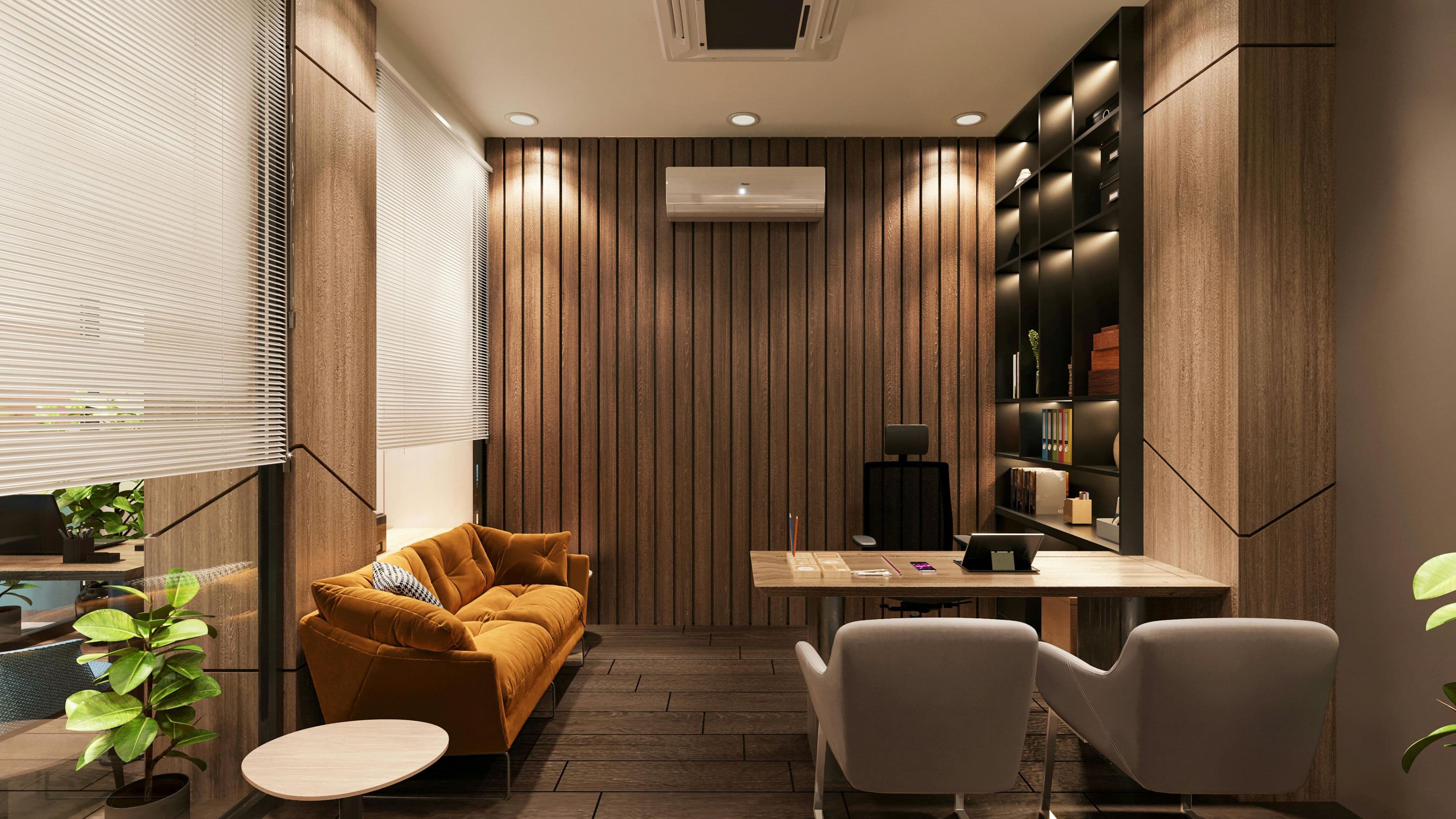
This is where cool to neutral light (3500K – 4500K) earns its place. If you're spending hours reading, writing, or working on a screen, task clarity matters more than atmosphere. Warm light at a desk makes many people feel drowsy faster, reduces the crispness of text on paper, and is harder to work under for extended periods.
The caveat is eye strain. Very bright, very cool light creates glare and contrast fatigue over long sessions. A 4000K bulb at appropriate brightness – enough to work without squinting, not so bright it creates harsh shadows or glare off your monitor – is the practical target. Pair it with a warmer ambient light on a separate circuit that you can turn on in the evening when the task work is done.
Dining Room
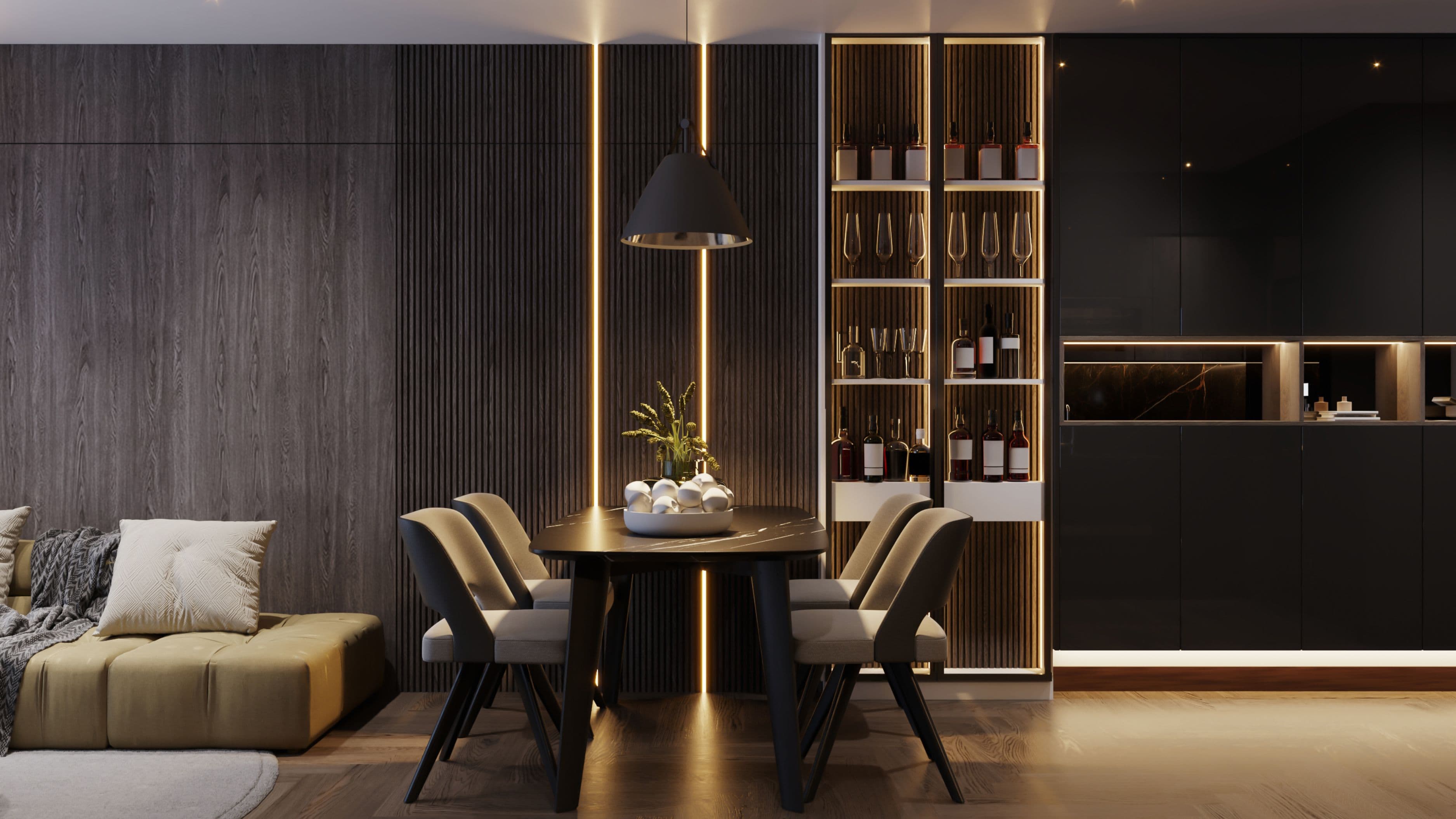
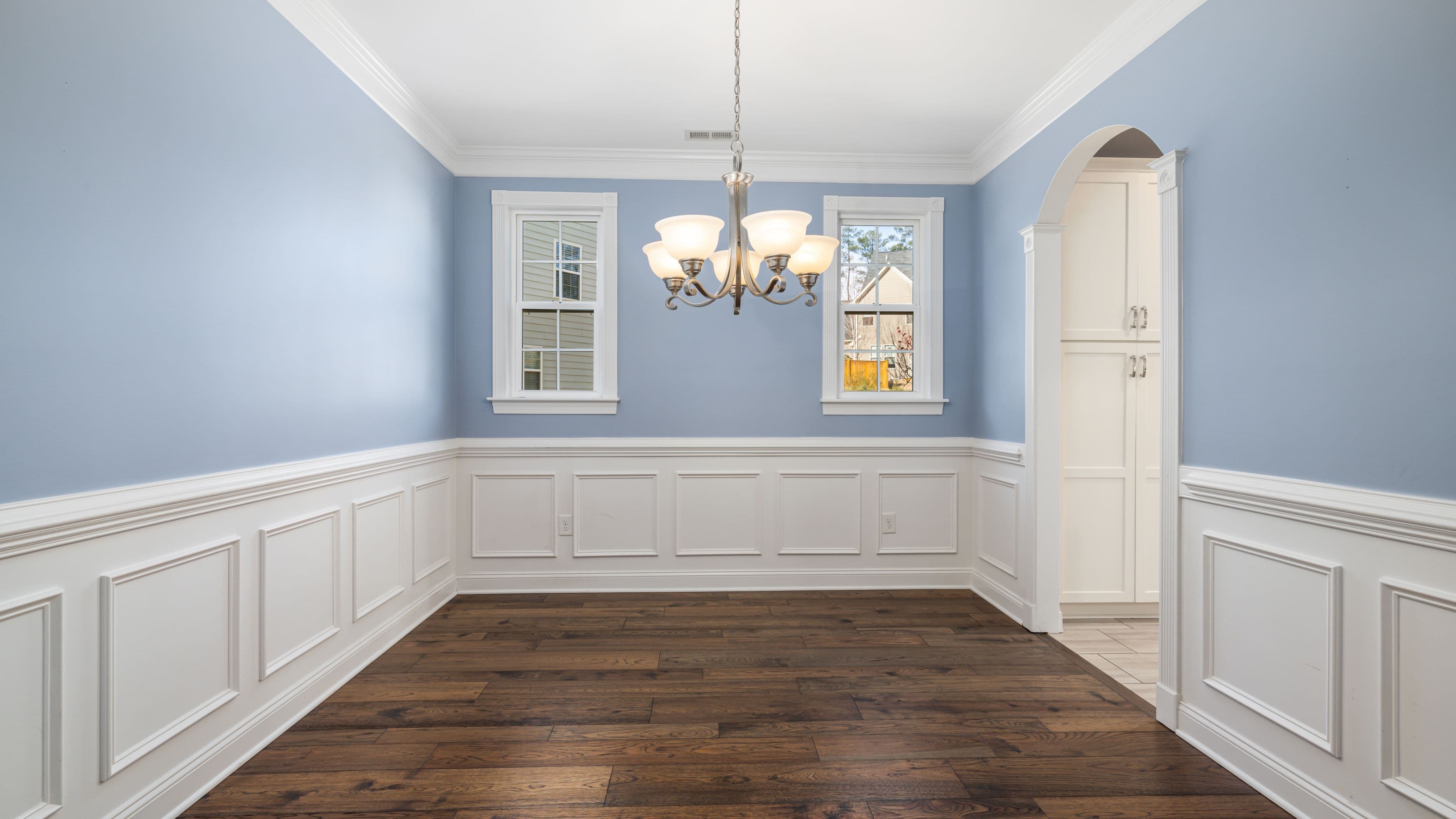
Warm light (2700K – 3000K) on a dimmer. This is probably the most impactful single lighting upgrade available in a dining room. A dimmer switch combined with warm-toned bulbs transforms the experience of eating in the room from functional to genuinely pleasant. Restaurants spend significant resources on this for a reason.
Pendant lights over a dining table at 2700K, set to about 70% brightness during dinner, produce the light quality that makes food look appealing, skin tones flattering, and conversation feel relaxed. The same room at 4000K full brightness produces the opposite effect across all three.
Entryway and Hallways
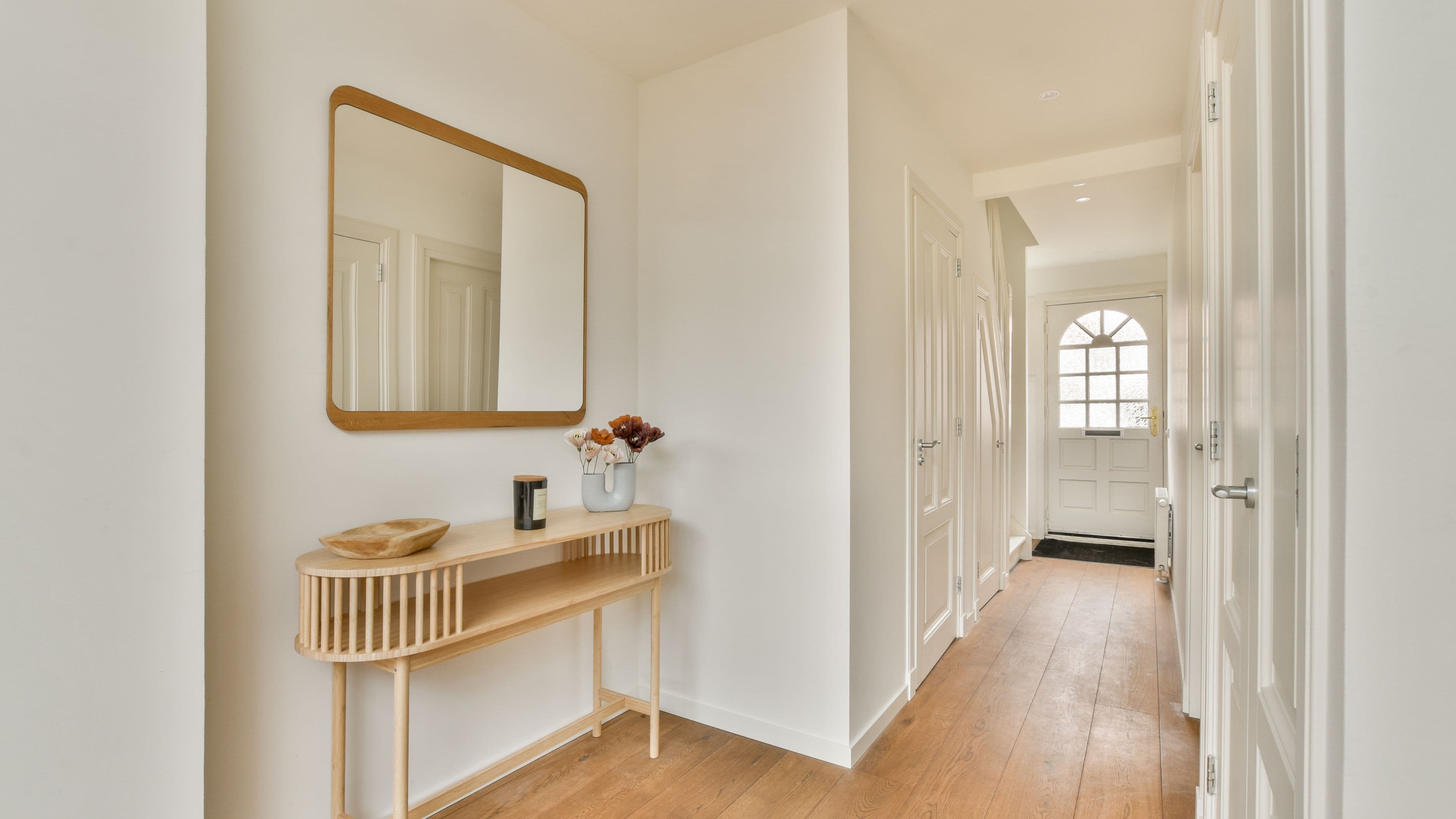
Neutral to warm white (2700K – 3500K) works well here. These are transition spaces, not task spaces, so the functional case for cool light is weak. Warmer light in an entryway creates a welcoming first impression as you walk in. The main practical consideration is that these spaces often lack natural light, which can make cool temperatures feel particularly harsh.
Mixing Temperatures: What to Avoid
One of the most common mistakes in residential lighting is inconsistent color temperatures across a single space. A living room where one fixture is 2700K, another is 4000K, and a third is somewhere in between produces an incoherent visual effect that people often struggle to identify but consistently find uncomfortable. The room looks unresolved even if all the individual fixtures are attractive.
For any open-plan space or room with multiple light sources, keep all ambient fixtures within 200–300K of each other. Task lighting can differ from ambient lighting intentionally – that's layering, not inconsistency – but the background light tone should be unified across the room.
Mixing bulb types with different color rendering indices (CRI) causes a related problem. CRI measures how accurately a light source renders colors compared to natural daylight. LEDs with a CRI below 80 make colors appear dull or slightly off. For living spaces, look for a CRI of 90 or above. The difference is visible in how wall colors, wood tones, and fabrics look – higher CRI makes your renovation choices look like the samples you chose them from, rather than slightly disappointing versions of them.
Cost and Practical Considerations
Switching to the right color temperature across your home is one of the lowest-cost, highest-impact changes available in any renovation. A quality dimmable LED bulb with a CRI of 90+ runs $4–$12 per bulb at current retail prices. Replacing every bulb in a 3-bedroom home for under $100 is realistic, and the change in how the spaces feel can be immediately noticeable.
Smart bulbs (Philips Hue, LIFX, Govee) add the ability to shift color temperature across the day or by room scene for $15–$30 per bulb, which is genuinely useful in spaces like the kitchen or home office where your lighting needs change across the day. The flexibility is worth the premium in high-use rooms.
Adding a dimmer switch to existing fixtures costs $20–$50 in hardware plus an hour of work if you're comfortable with basic electrical. For dining rooms and living rooms in particular, a dimmer is often more impactful per dollar than any other lighting upgrade.
What to Avoid
Buying bulbs without checking the Kelvin rating. "Soft white" and "bright white" labels on packaging are not standardized between manufacturers. Always check the K number rather than relying on the descriptor.
Installing recessed downlights at 4000K or above in living rooms or bedrooms. Recessed lights already produce a somewhat clinical effect because of their geometry. At cool temperatures, that effect is amplified significantly. If you have or are installing recessed lights in comfort spaces, 2700K – 3000K makes them feel far more residential.
Ignoring dimming compatibility. Not all LED bulbs dim smoothly with all dimmer switches. Flickering and buzzing are common mismatches. Check that your bulb is rated for use with your dimmer, or replace the dimmer at the same time you replace the bulbs.
Using very warm light (2700K) in a room with all-white or very pale walls. Warm light can make crisp whites appear cream or yellow, which often isn't the intended effect. In rooms with cool-toned or neutral color schemes, 3000K can maintain warmth without the color shift.
FAQ
Can I use warm and cool bulbs in the same room? Intentionally, yes – task lighting at a different temperature from ambient lighting is layering, not a mistake. Unintentionally, multiple sources at noticeably different temperatures in the same ambient layer create visual inconsistency. If you're mixing, keep ambient sources within 200–300K of each other.
What's the best color temperature for photography or video calls? 3000K – 3500K is generally the most flattering range for skin tones in photos and video. It's warm enough to avoid the harsh clinical look of cool light but clear enough to avoid the overly amber cast of very warm bulbs. A ring light or dedicated video light in this range makes a consistent difference on calls.
Do dimmers change the color temperature of bulbs? Standard dimmers change the brightness but not the color temperature of most LED bulbs – the light dims but stays the same tone. However, some bulbs and fixtures (particularly some filament-style LEDs) do warm slightly as they dim, mimicking the behavior of incandescent bulbs. This is labeled "dim to warm" and is a desirable feature in living rooms and bedrooms.
What CRI should I look for in residential lighting? 90 or above is the target for spaces where you want to see colors accurately and where aesthetics matter. A CRI of 80–89 is acceptable for utility spaces. Below 80 is generally worth avoiding in living areas – the difference in how your renovation choices look under that light is visible enough to matter.
Is there one color temperature that works everywhere? 3000K is the closest to a universal residential option – warm enough for bedrooms and living rooms, clear enough for kitchens and bathrooms. It's not perfect for any single purpose but is a reasonable default if you want consistency across a whole home without thinking room by room.
📚 Sources
US Department of Energy – Lighting Basics: Color Temperature: https://www.energy.gov/eere/ssl/lighting-basics
Illuminating Engineering Society – Residential Lighting Guidelines: https://www.ies.org/standards/standards-development/residential-lighting/
This Old House – How to Choose the Right Light Bulb: https://www.thisoldhouse.com/lighting/21017278/how-to-choose-light-bulbs
Family Handyman – How to Install a Dimmer Switch: https://www.familyhandyman.com/article/how-to-install-a-dimmer-switch/
Lighting Research Center – Color Rendering and Visual Comfort: https://www.lrc.rpi.edu/programs/solidstate/pr_colorRendering.asp