
Here's how they actually compare across the factors that matter most: usable space, cost, flexibility, and long-term value.
Quick Answer
A built-in window seat almost always adds more usable space per square foot of floor area, particularly through integrated storage, but it comes with a higher cost, longer installation timeline, and a permanent commitment to that layout. A freestanding bench offers meaningfully more flexibility and a much lower cost of entry, but sacrifices the storage efficiency and tailored fit a built-in provides.
Built-In Window Seat: What It Offers
A built-in window seat is constructed directly into the alcove, custom-fitted to the exact dimensions of your space, typically incorporating storage underneath through lift-up seating, drawers, or cabinet doors. This custom fit means zero wasted space on either side, something a pre-made freestanding piece almost never achieves in an irregular or tightly-dimensioned nook.
The storage integration is where built-ins really separate themselves. Rather than losing floor space to a separate storage piece elsewhere in the room, a window seat can hold linens, seasonal items, books, or toys directly beneath the seating surface, effectively giving you two functions – seating and storage – in the exact same footprint the alcove already occupied.
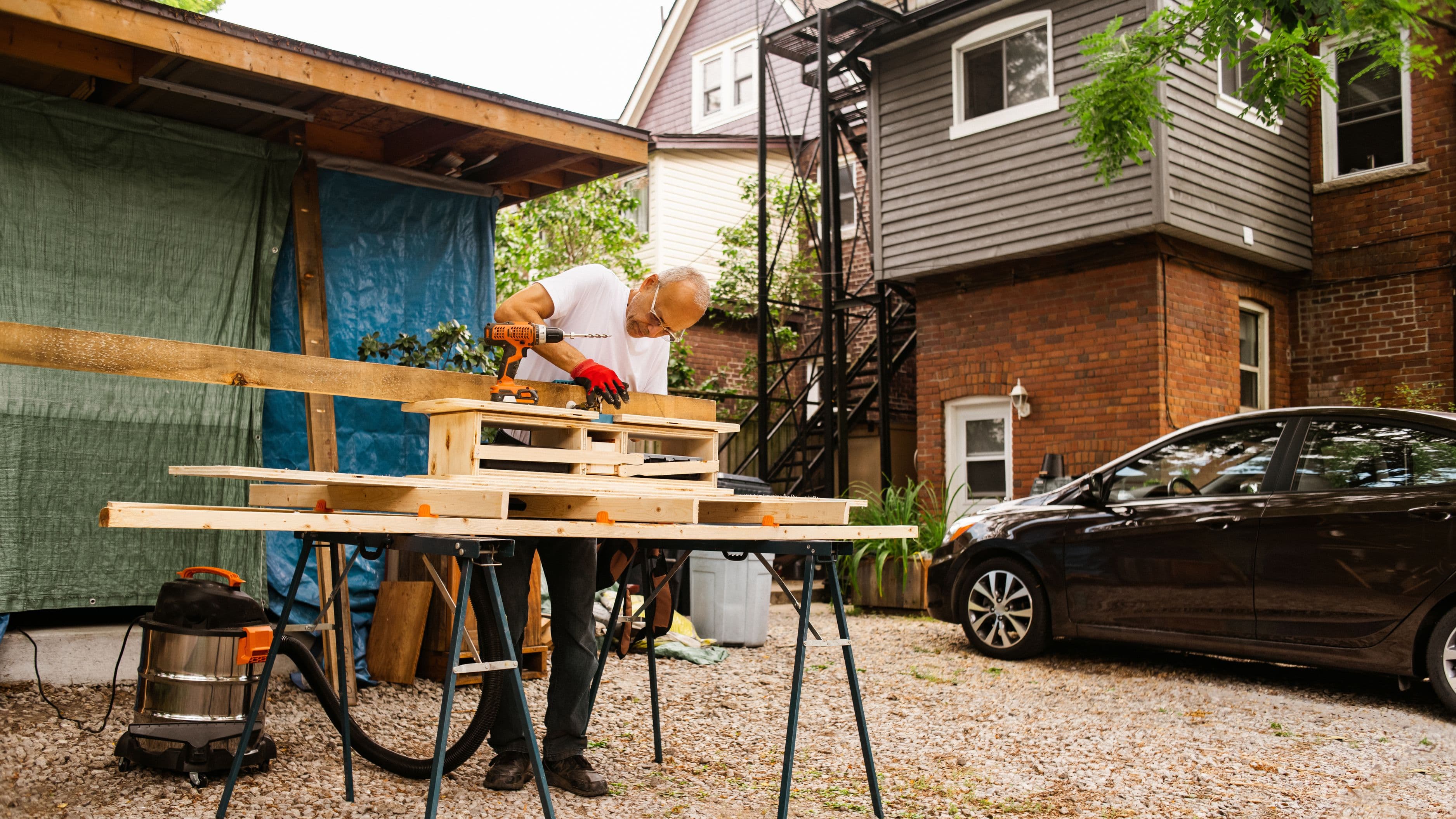
Cost level: Medium to high, generally running from $1,500 to $4,000+ depending on materials, cushion customization, and whether you hire a carpenter versus building it yourself. Time investment: A full weekend for an experienced DIYer, or one to two weeks for professional installation depending on complexity.
Freestanding Bench: What It Offers
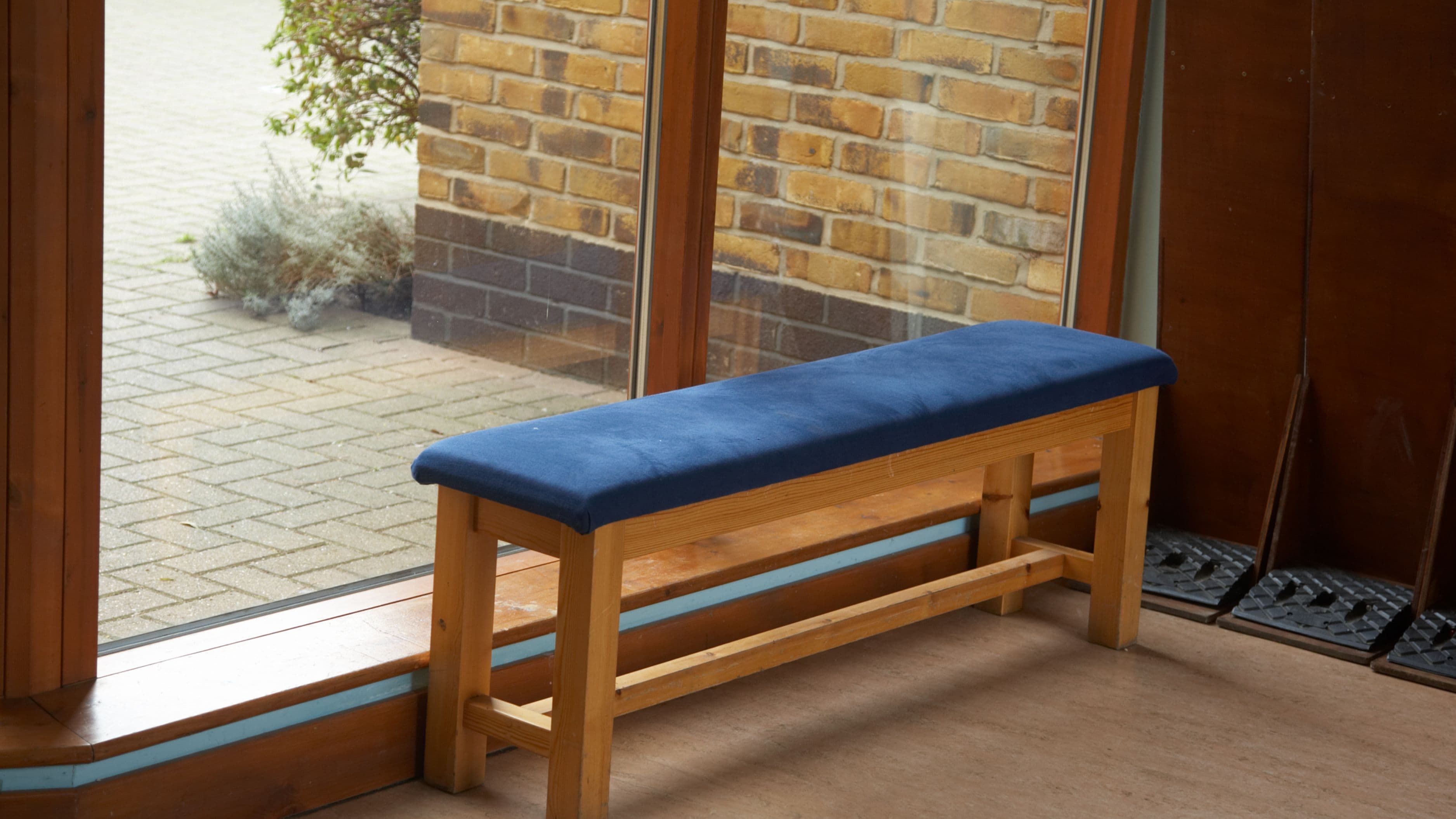
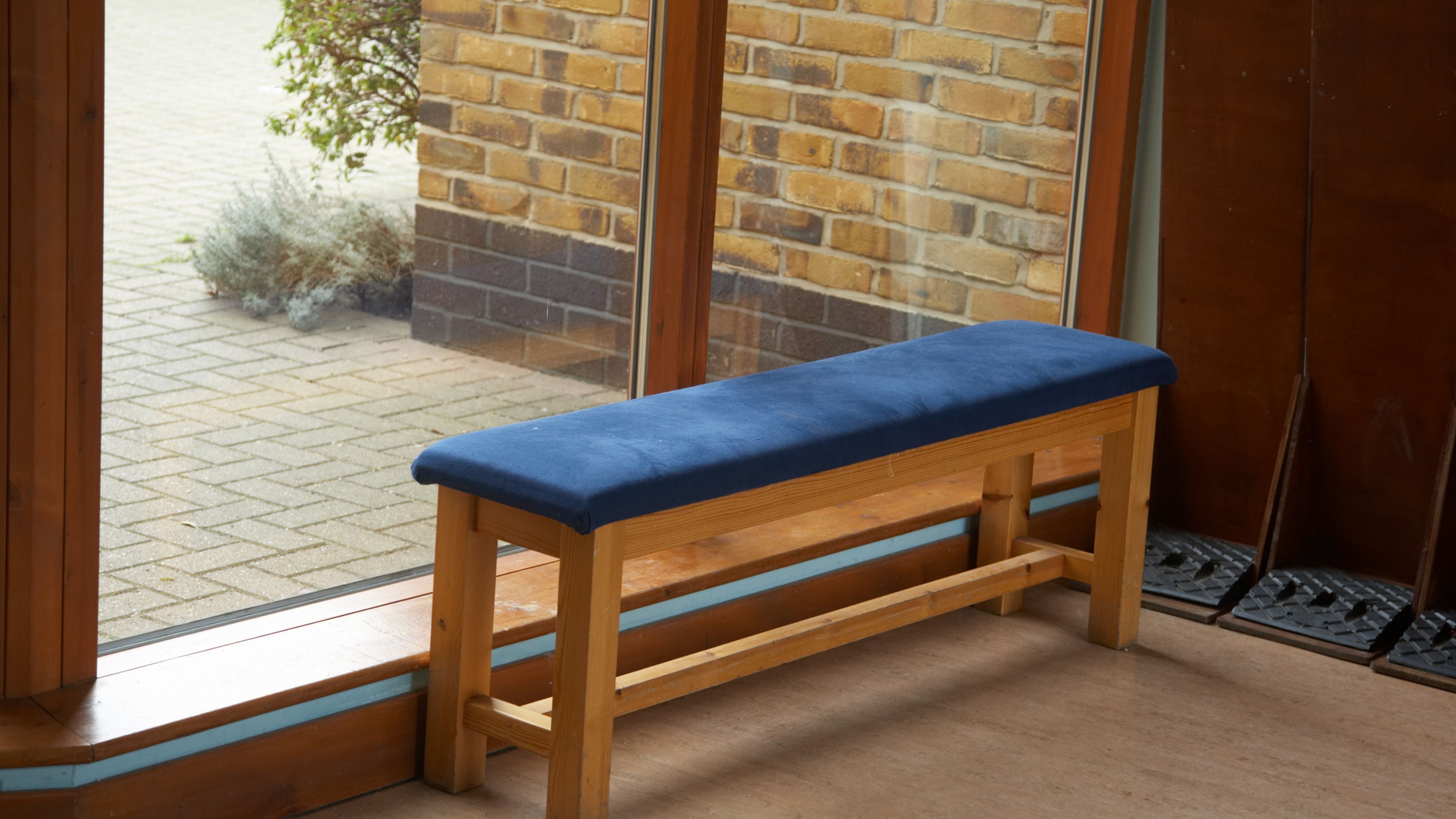
A freestanding bench, by contrast, is a standalone piece of furniture placed into the alcove rather than built to match its exact dimensions. This means faster setup – essentially immediate, since you're simply placing furniture rather than constructing anything – and considerably more flexibility if you rearrange the room or move to a new home entirely.
The trade-off is fit and storage efficiency. Unless you find or commission a bench precisely matched to your alcove's dimensions, you'll likely have some wasted space on either side, and any storage benefit depends entirely on choosing a bench style that includes it, like a storage ottoman bench, rather than a purely decorative option.
Cost level: Low to medium, typically $150 to $800 depending on quality and whether storage is included. Time investment: Immediate to same-day, limited to placement and styling.
Comparing Usable Space Directly
If your primary goal is maximizing functional storage and seating within a fixed footprint, the built-in wins clearly. A custom seat eliminates wasted space on the sides, integrates storage that would otherwise require a separate piece of furniture elsewhere in your home, and can be designed with a lid or drawer configuration specifically suited to what you actually need to store.
A freestanding bench, especially in an irregularly shaped alcove, often leaves visible gaps on either side that become awkward, hard-to-use space – not quite big enough for another piece of furniture, but too noticeable to ignore. In a perfectly rectangular, standard-dimension nook, this gap issue is less pronounced, and a well-chosen bench can come close to matching a built-in's space efficiency.
Comparing Flexibility and Commitment
This is where the freestanding bench genuinely outperforms the built-in. If you rent, plan to move within a few years, or simply aren't certain this is the final layout you want for the room, a freestanding piece lets you change your mind without any sunk cost in custom construction. You can move it to a different room, sell it, or replace it as your needs evolve.
A built-in window seat is, by design, permanent. If you sell your home, it typically stays as part of the property, which can be a genuine selling point for potential buyers but removes your ability to take that investment with you. If your needs or taste change significantly down the line, modifying or removing a built-in is a much larger undertaking than simply relocating a freestanding bench.
When to Choose the Built-In
Choose a built-in window seat if you're planning to stay in your home for several years or longer, have a genuinely irregular or tightly-dimensioned alcove where off-the-shelf furniture won't fit well, and have a clear, ongoing storage need – linens, toys, seasonal items – that would otherwise require a separate storage piece taking up space elsewhere in the room.
This option also makes the most sense if the alcove in question is a prominent, frequently-used space where the polished, tailored look of a built-in meaningfully improves the room's overall function and appearance, such as a kitchen breakfast nook or a primary living area window.
When to Choose the Freestanding Bench
Choose a freestanding bench if you're renting, uncertain about your long-term plans for the space, or working with a tighter budget and want a functional solution now without a multi-week installation project. This also makes sense in a standard-dimension alcove where a well-chosen bench can achieve a reasonably tight fit without custom construction.
A storage-ottoman-style bench specifically closes much of the storage gap between the two options, giving you a meaningful middle ground if storage matters to you but you're not ready to commit to a built-in.
What to Avoid
Don't choose a built-in purely based on aesthetic appeal without confirming you actually need the storage or seating long-term. This is a genuinely permanent investment, and a built-in installed for a room that later gets repurposed can become an awkward, hard-to-remove feature rather than an asset.
Avoid choosing a freestanding bench purely on price without measuring your alcove carefully first. A bench that doesn't reasonably fill the space ends up looking more like an afterthought than an intentional design choice, undermining much of the benefit you were hoping to gain from filling the nook in the first place.
Don't skip cushion and upholstery planning for either option. A window seat or bench without a genuinely comfortable, well-fitted cushion tends to go unused regardless of how well-built or well-fitted the underlying structure is.
Realistic Expectations
A built-in window seat project, done well, typically takes one to two weeks from planning to finished installation if you're hiring a carpenter, and delivers the highest functional return for a permanent living situation. A freestanding bench can be sourced, delivered, and placed within days, offering immediate functionality at a lower upfront cost, with the trade-off of somewhat reduced space efficiency and storage integration.
FAQ
Can I add storage to a freestanding bench to close the gap with a built-in? Yes, storage ottoman benches offer a genuine middle ground, though they still won't match a built-in's exact-fit space efficiency in an irregular alcove.
Does a built-in window seat add resale value to my home? It can, particularly in a prominent living space or breakfast nook, since well-executed built-ins are often viewed as a desirable, polished feature by buyers. This isn't guaranteed and varies by local market and buyer preference.
How do I know if my alcove is a "standard" dimension for a freestanding bench to fit well? Measure the width, depth, and height of your alcove and compare against commonly available bench dimensions online. If your measurements land close to standard sizing, a freestanding option is more likely to achieve a reasonably tight fit.
Both options genuinely work – the right choice comes down to how long you're staying, how much storage you actually need, and how much you value flexibility over a tailored, built-in fit.
📚 Sources
National Association of Home Builders: Built-In Storage and Resale Value - https://www.nahb.org/
This Old House: Window Seat Construction Basics - https://www.thisoldhouse.com/