
Think of energy-efficient windows as an investment that works 24/7. While you sleep, work, or binge-watch your favorite shows, these silent money-makers are cutting your utility bills and boosting your home's value. Let's break down exactly how this financial magic happens and what you need to know to cash in.
The Numbers Don't Lie
Energy Star certified windows can slash your energy bills by 12-33% annually. For the average American household spending $2,060 on energy yearly, that translates to $247-$680 in immediate savings. Multiply that over three years, and you're looking at $741-$2,040 in your pocket—often enough to cover a significant portion of the upgrade cost.
Property value gets an instant boost too. Real estate experts consistently report that window replacements recoup 68-78% of their cost at resale. Your $15,000 window investment could add $10,200-$11,700 to your home's market value before you even factor in the energy savings.
The sweet spot lies in strategic replacement timing. Don't wait until your windows are falling apart—that's when you're in panic mode and might make costly rushed decisions.
Smart Shopping Strategies
Focus on the U-factor first, everything else second. This number measures how well your window prevents heat transfer—the lower the number, the better the insulation. Look for U-factors between 0.20-0.30 for optimal performance without breaking the bank.
Double-pane beats single, but triple-pane might be overkill. Unless you live in an extreme climate zone, double-pane windows with low-E coatings deliver the best bang for your buck. Triple-pane windows cost 10-15% more but only provide marginal additional savings in most climates.
Timing your purchase can save hundreds per window. Many manufacturers offer deep discounts during their slow seasons (typically late fall and winter). Some homeowners report saving 20-40% by scheduling installations during off-peak months.
Installation Secrets That Maximize Savings
Proper sealing makes or breaks your investment. Even the most expensive windows won't deliver promised savings if they're poorly installed. Insist on seeing the contractor's sealing process—gaps around the frame should be filled with expanding foam, then caulked for a complete air barrier.
Consider partial replacement for budget-conscious upgrades. You don't need to replace every window simultaneously. Start with the rooms you use most or the windows facing your harshest weather exposure. This staged approach spreads costs over time while delivering immediate benefits.
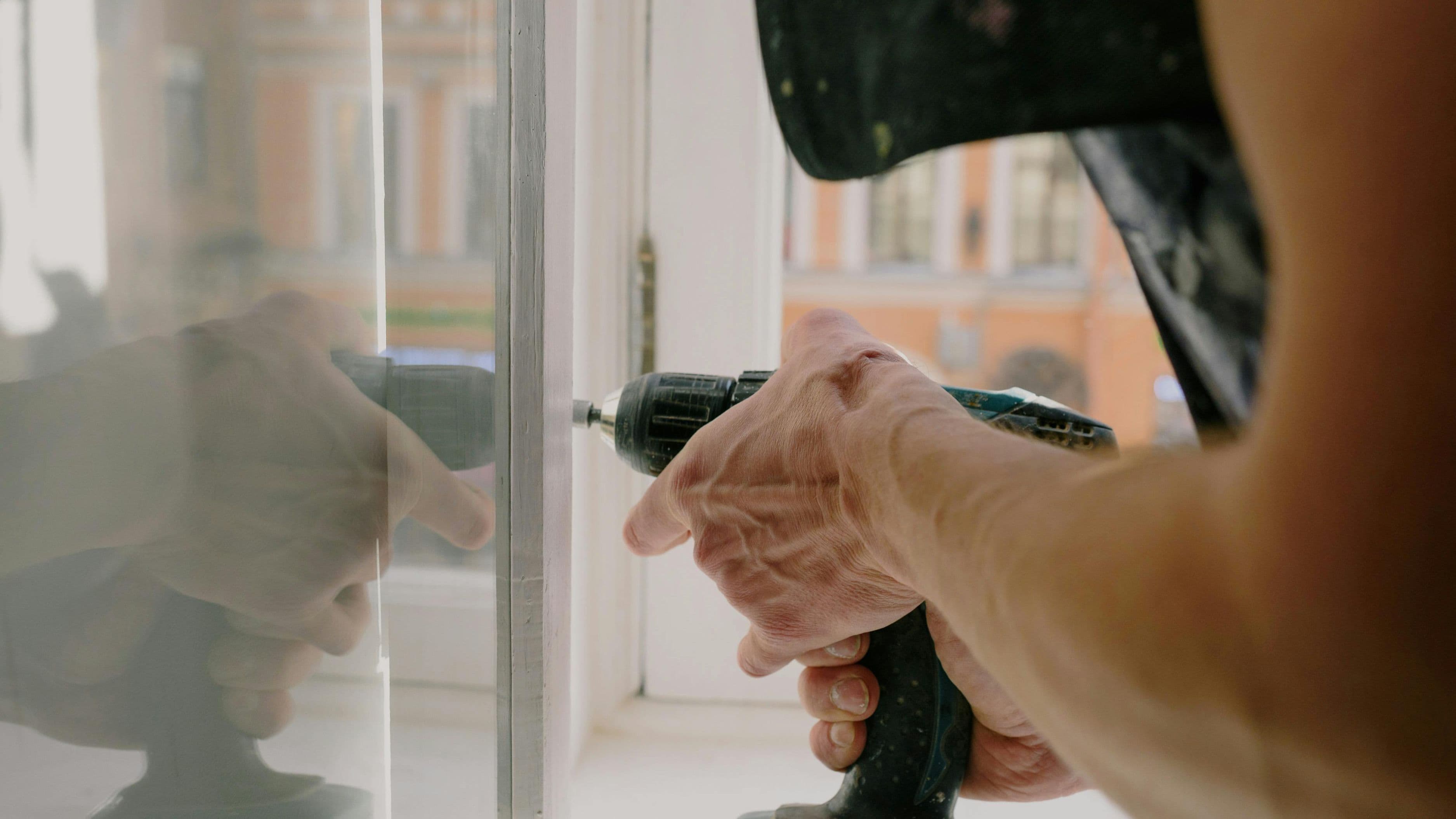
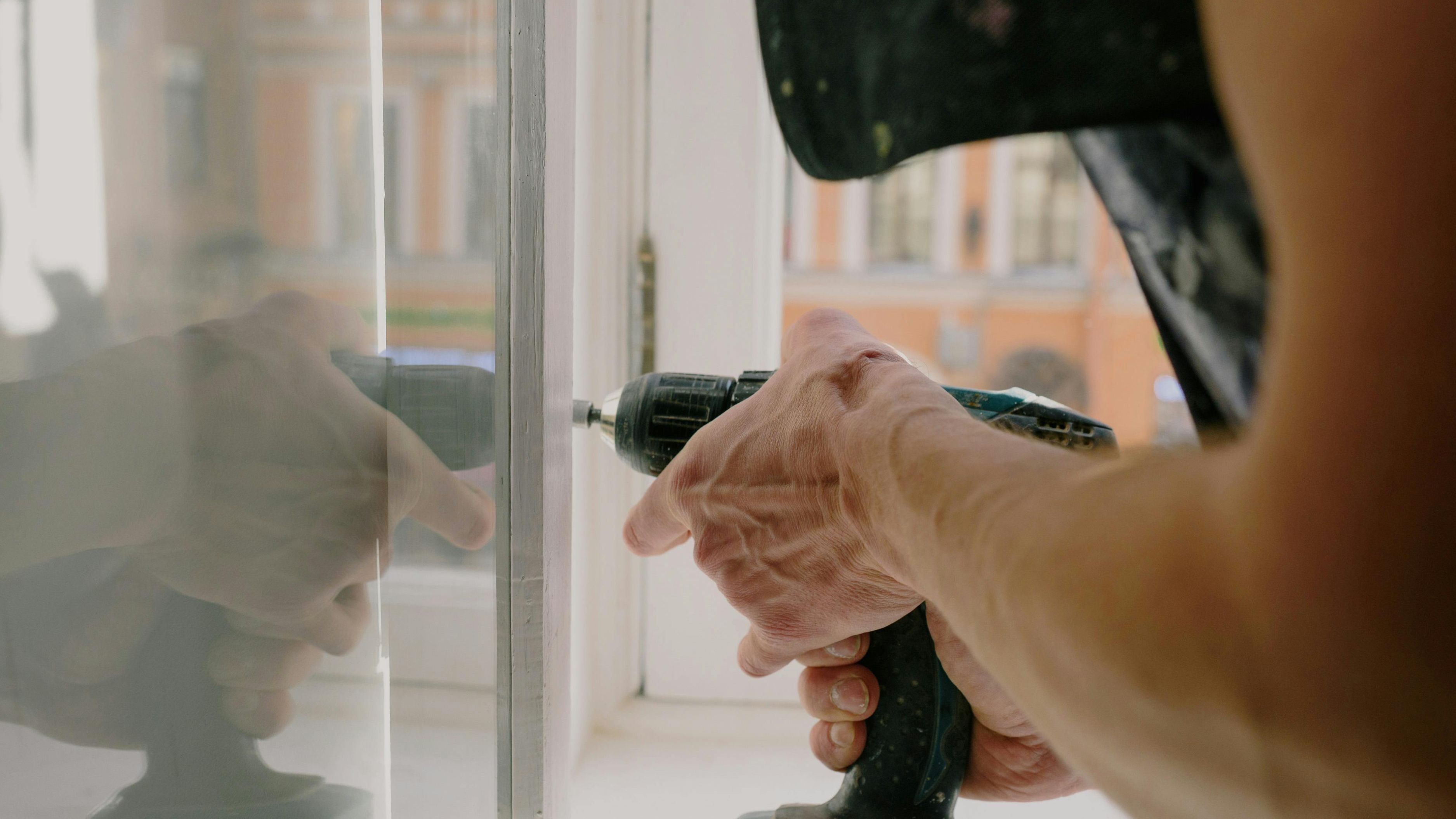
Professional installation vs. DIY isn't just about skill—it's about warranties. Most manufacturer warranties require professional installation to remain valid. A botched DIY job could void thousands in coverage and eliminate your payback timeline entirely.
Beyond Basic Energy Savings
Smart glass technology is entering the mainstream. Electrochromic windows that automatically tint based on sunlight intensity are dropping in price. While still premium-priced, early adopters report energy savings of up to 40% in sunny climates.
Tax incentives can accelerate your payback period significantly. Federal tax credits for energy-efficient home improvements can cover up to 30% of window replacement costs through 2032. Check your state and local utility programs too—some offer additional rebates that stack with federal benefits.
Noise reduction adds hidden value to your investment. Quality windows with laminated glass can reduce outside noise by 50% or more. This improvement doesn't show up on utility bills but dramatically enhances quality of life, especially in urban areas.
Red Flags to Avoid
Door-to-door sales pitches almost always mean inflated prices. Legitimate window companies don't need to hunt for customers—their quality work generates referrals. If someone knocks on your door with a "limited time offer," show them the door instead.
Financing deals that seem too good to be true usually are. "No payments for 24 months" often translates to sky-high interest rates that kick in later. Calculate the total cost including interest before signing any financing agreements.
Rock-bottom quotes might signal substandard materials or installation. Windows are a long-term investment—choosing the cheapest option often means replacing them again sooner, eliminating any payback benefits.
Making It Happen Today
Get multiple quotes, but focus on total value, not just price. The lowest bid might include inferior materials or rushed installation that compromises your three-year payback timeline. Look for contractors who explain their sealing process and offer comprehensive warranties.
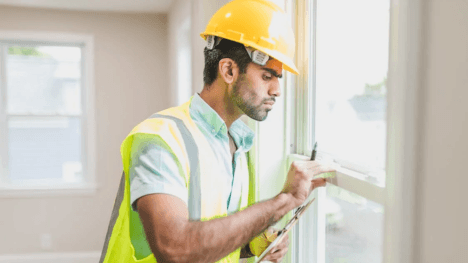
Start with an energy audit to identify your biggest opportunities. Many utility companies offer free or subsidized home energy assessments that pinpoint exactly which windows need attention first. This data-driven approach ensures you're investing in upgrades that deliver maximum savings.
Document your current energy usage before installation. Take photos of your utility bills for the 12 months before window replacement. This baseline data proves your savings and helps with tax credit documentation.
The three-year payback window isn't theoretical—it's happening in homes across America right now. Your windows are either making you money through efficiency or costing you money through waste. The choice is literally in your hands, waiting behind the glass.
Pick one strategy from this list and take action today. Call for quotes, research tax credits, or simply measure your current windows to understand replacement costs. Momentum starts small, but your bank account will thank you for years to come.
📚 Sources
1. Energy Star. "Windows, Doors, and Skylights." U.S. Environmental Protection Agency, 2023.
2. Remodeling Magazine. "Cost vs. Value Report 2023." Hanley Wood Media, 2023.
3. U.S. Department of Energy. "Energy Efficient Windows." Office of Energy Efficiency & Renewable Energy, 2023.
-jhajrFUGfI3zCQGjpAWcxuNPi1zUTB.jpg&w=3840&q=75)