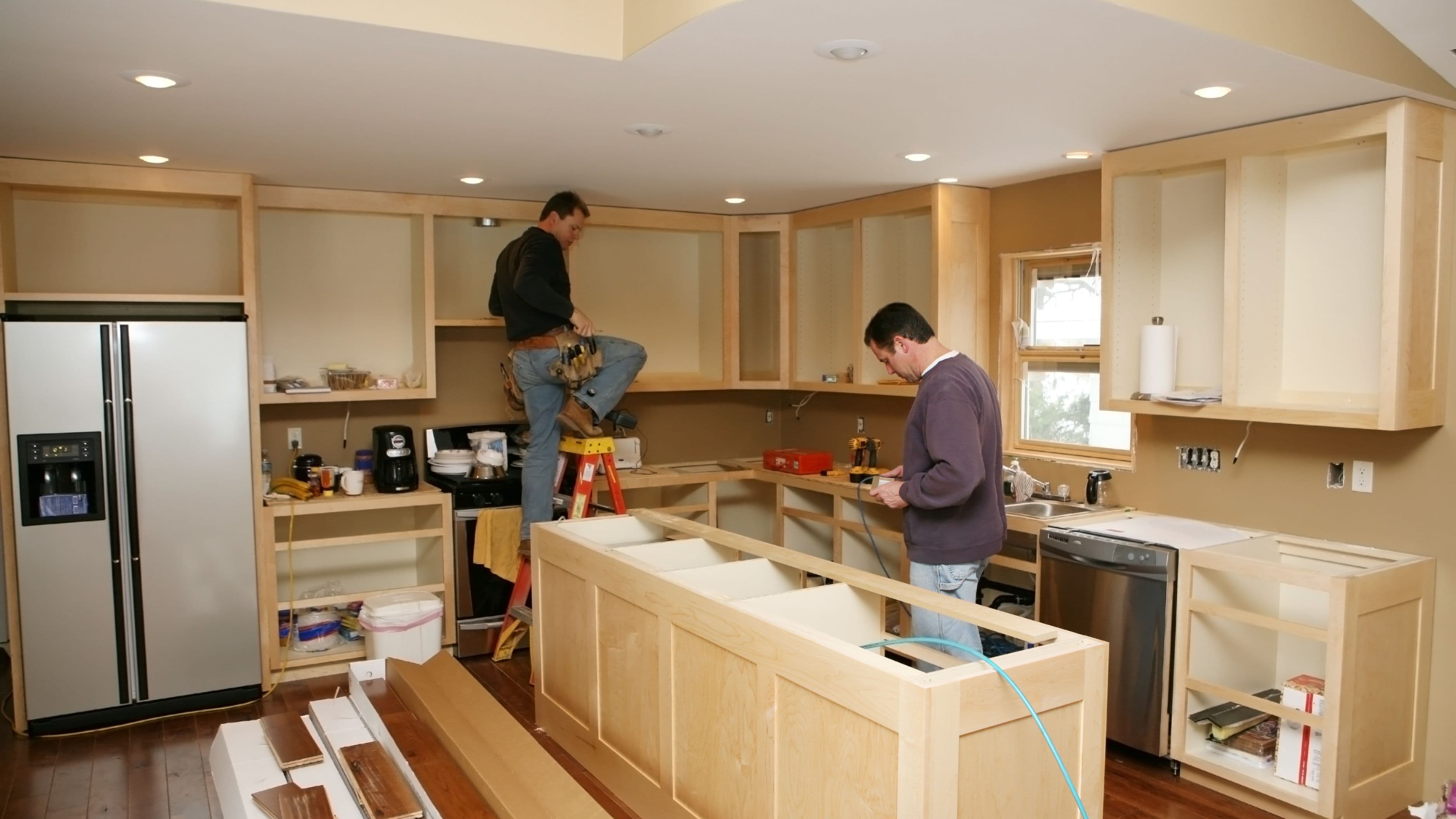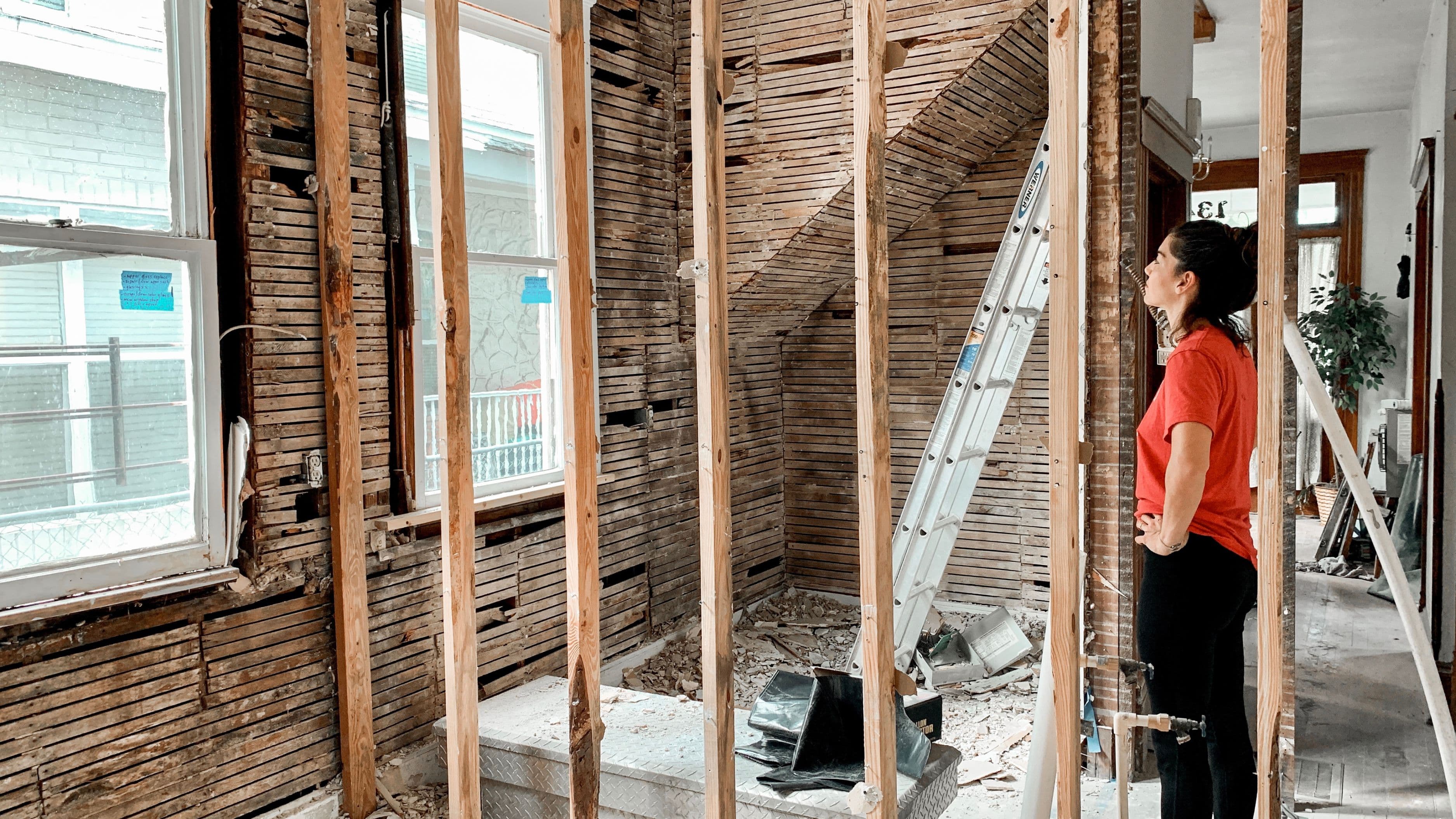



The housing market doesn't have to drain your savings account. With the median home price in America hovering around $400,000, even small percentage savings translate to massive real dollars in your pocket. Those three magic words that could transform your home-buying experience? "Always negotiate everything."
Most buyers think negotiation stops at the listing price, but savvy purchasers know better. They understand that every single aspect of a home purchase is actually up for discussion, from closing costs to repair credits to move-in dates.
The Price Tag Illusion
Myth : The listing price is set in stone → Truth : Everything is negotiable
Walk through any neighborhood and you'll see those pristine "For Sale" signs with their confident price tags. Here's what most buyers don't realize: that number is merely a starting point, not a divine decree. Real estate agents often price homes strategically high, expecting offers to come in below asking price.
Smart buyers approach every listing with the mindset that they're looking at the seller's opening bid in a friendly negotiation. This shift in perspective immediately puts thousands of dollars back on the table. Even in competitive markets, sellers often have wiggle room they're not advertising.
The National Association of Realtors reports that homes typically sell for about 95% of their listing price. That 5% difference on a $300,000 home equals $15,000 — enough for a nice vacation or significant home improvements. Don't leave that money on the table because you assumed the price was final.
Beyond the Sticker Shock
Myth : Closing costs are non-negotiable fees → Truth : Most closing costs can be reduced or eliminated
Those closing cost estimates can feel like a punch to the gut, especially when they add up to 2-5% of your home's purchase price. But here's the secret real estate insiders know: almost every line item on that closing cost worksheet is actually negotiable.
Start with your lender fees, which can include application fees, underwriting charges, and processing costs. Many lenders will waive or reduce these fees to earn your business, especially if you're a strong borrower. Don't be afraid to shop around and use competing offers as leverage.
Title insurance, attorney fees, and even some inspection costs can often be negotiated down. Some sellers will agree to pay a portion of your closing costs as part of the deal, effectively reducing your out-of-pocket expenses. One buyer in Denver recently saved $4,200 by negotiating seller-paid closing costs into their offer.
The Repair Game Changer
Myth : Home inspections just reveal problems → Truth : Inspection findings are negotiation goldmine
Most buyers approach home inspections with dread, worried about what expensive surprises might be lurking behind the walls. Flip that mindset completely. Every item on your inspection report represents a potential negotiation opportunity that could save you serious cash.
That leaky roof the inspector found? Don't just accept it as your problem to fix. Ask the seller to either repair it before closing or provide a credit at closing for the estimated repair cost. The same goes for HVAC issues, plumbing problems, or electrical work.
Professional home inspectors typically find an average of 15-20 issues per home inspection. While not all of these warrant negotiation, even addressing half of them can result in thousands in savings or credits. One couple in Austin turned a $3,000 HVAC repair into a $2,500 closing credit, essentially getting paid $500 to handle the repair themselves.
Timeline Flexibility Pays
Myth : Move-in dates are set by the seller → Truth : Flexible timing creates leverage
Here's where strategic thinking really pays off. Sellers often have specific timeline needs that aren't immediately obvious, and your flexibility around closing and move-in dates can become powerful negotiation tools.
Maybe the sellers need extra time to find their next home, or perhaps they're eager to close quickly for tax reasons. If you can accommodate their timeline preferences, you've just created valuable leverage to use elsewhere in the negotiation. This might translate to a lower purchase price, seller-paid repairs, or included appliances.
Consider offering a rent-back agreement where sellers can stay in the home for a few weeks after closing while paying you rent. This arrangement often makes sellers willing to accept a lower offer price because it solves their timing problem. The key is understanding what the seller values most and using that knowledge strategically.
Breaking Free from Conventional Wisdom
Let go of the outdated advice that tells you to be a passive participant in one of life's biggest financial transactions. Your home purchase isn't just about finding a place to live — it's about making smart financial moves that protect your wallet and set you up for long-term success.
The most expensive mistake you can make is assuming that real estate transactions happen at fixed prices with predetermined terms. Every successful home buyer learns that confidence, preparation, and strategic thinking turn what seems like a seller's market into opportunities for smart negotiation.
Stop accepting the first price, terms, or costs you encounter. Start seeing every aspect of your home purchase as a conversation where your interests matter just as much as the seller's. Those three words — "always negotiate everything" — aren't just about saving money today. They're about developing the mindset that builds wealth over time.
📚 Sources
1. National Association of Realtors. (2024). Home Buyers and Sellers Generational Trends Report.
2. Zillow Research. (2024). Consumer Housing Trends Report.
3. American Society of Home Inspectors. (2023). Annual Home Inspection Survey Results.
-jhajrFUGfI3zCQGjpAWcxuNPi1zUTB.jpg&w=3840&q=75)